Theme topic
BestCourseThemesforWordPress&Drupalin2026
If you're hunting for the best course WordPress themes, you've landed in the right place. Our editorial team reviewed the top-selling education and course themes on the major marketplaces, weighing feature depth, buyer satisfaction, and long-term value. Below you'll find honest assessments of every theme we've covered in this category.
5 themes tracked · ranked by sales
The catalog

Masterstudy - Education WordPress Theme
StylemixThemes · Education

University - Education, Event and Course Theme
CactusThemes · Education
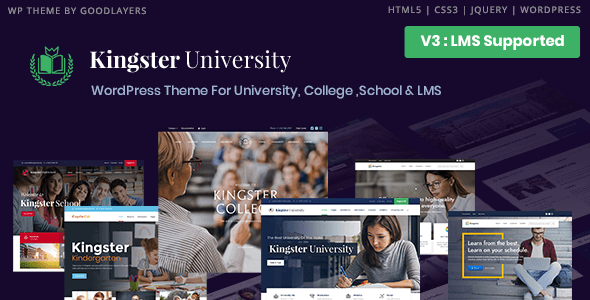
Kingster - Education, School WordPress
GoodLayers · Education

Edmix - Powerful Education, Courses Online Drupal 11 Theme
gavias · Miscellaneous

Edupia - Powerful Education, Courses Online Drupal 11.3 Theme
gavias · Miscellaneous
Buying guide
How to Choose a Course Theme
A dedicated course theme does more than look polished — it needs to support your actual teaching workflow. Before buying, think through these key areas:
- LMS compatibility: Does the theme bundle its own learning management system, or does it rely on a plugin like LearnDash or LifterLMS? Bundled LMS tools save money upfront but can limit flexibility later.
- Course catalog layout: Students browse before they buy. Look for filterable grids, clear pricing displays, and instructor profile pages built into the theme.
- Payment and enrollment flows: Some themes include WooCommerce integration or their own checkout; others leave that entirely to plugins. Confirm before purchasing.
- CMS fit: WordPress dominates, but Drupal options exist and can be the right call if your organization already runs Drupal infrastructure.
What the Sales Data Tells Us
Our three reviewed themes span two CMSes and show a clear market split. Masterstudy is the runaway bestseller in this category — over 22,400 sales and a 4.72/5 buyer rating signal a mature, well-supported product with a large community behind it. That sales volume also means an abundance of tutorials, child themes, and third-party resources you can draw on.
The two Drupal entrants — Edmix and Edupia — carry perfect 5.00/5 ratings, though from far smaller buyer pools (366 and 265 sales respectively). Perfect scores from smaller samples can reflect a self-selecting early adopter audience, so weigh that context carefully. Both target Drupal 11, which is a genuine advantage for teams committed to that platform's long-term roadmap.
Real Trade-offs to Consider
No theme is right for every project. Here's where each category has weaknesses:
- Feature-heavy WordPress themes like Masterstudy can carry significant page-weight and plugin dependencies. A lean hosting plan may struggle without caching and optimization work.
- Niche Drupal themes have smaller ecosystems. If you hit a customization wall, your pool of freelance Drupal themers is smaller than the WordPress equivalent.
- Bundled LMS tools in any theme create a lock-in risk: migrating your course content to a different system later is non-trivial.
Our Editorial Scores at a Glance
We score themes across criteria including feature completeness, documentation quality, support responsiveness, and design flexibility. Masterstudy leads at 8.7/10, followed by Edmix at 8.2/10 and Edupia at 7.8/10. Read each individual review for the full breakdown.
Frequently asked
Do I need a separate LMS plugin if I buy a course theme?
It depends on the theme. Masterstudy, for example, bundles its own LMS functionality, so basic course creation works out of the box. Others are designed as shells that require a plugin like LearnDash or LifterLMS. Always check the theme's feature list before purchasing to avoid surprise costs.
Is WordPress or Drupal better for an online course site?
WordPress has a much larger ecosystem of course-specific themes, plugins, and community support, making it the lower-friction choice for most creators. Drupal is worth considering if your organization already uses it or needs enterprise-level content architecture. The themes we review for each platform reflect that difference in ecosystem maturity.
Why do the Drupal themes have perfect 5-star ratings but lower editorial scores?
Buyer ratings and editorial scores measure different things. A 5.00/5 rating from a few hundred buyers can reflect genuine quality but also a self-selecting early-adopter audience. Our editorial scores factor in feature depth, ecosystem size, and long-term support risk — areas where a newer product with fewer sales carries more uncertainty.
What's the typical price range for a premium course theme?
The three themes we cover are priced at $58–$59 for a regular license, which is typical for premium education themes on major marketplaces. That's a one-time fee, but factor in potential costs for premium plugins, hosting, and extended support licenses when budgeting your project.
Can I use these themes for a membership site as well as courses?
Many course themes include or are compatible with membership features, but the implementation varies. Check whether the theme handles membership natively or relies on a third-party plugin. Bundled solutions are convenient; plugin-based approaches tend to be more flexible but require more configuration.