How to Choose the Right WordPress Form Plugin
The WordPress form plugin market is crowded, and the wrong choice costs you more than money — it costs you time when you need to migrate thousands of entries to a different tool six months down the road. Before you buy, be clear on three things: the form types you need today, the integrations you can't live without, and the volume of submissions you expect.
Match the plugin to the job
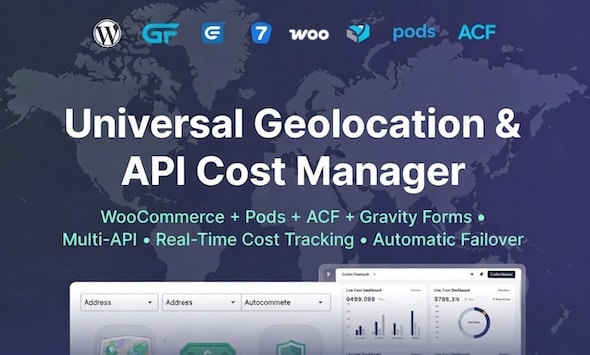
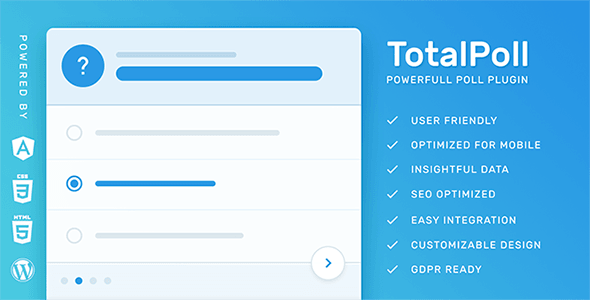
General-purpose form builders (like Quform, eForm, ARForms, and FormCraft) cover contact forms, registrations, and surveys in one package. That breadth is useful, but it often means shallower depth in any single area. If you have a specific, well-defined need — address autocomplete on a Gravity Forms site, Salesforce syncing, or a dedicated polling experience — a specialist add-on or standalone plugin will almost always outperform a generalist on that task.
Sales and ratings tell part of the story
A plugin with 36,000 sales and thousands of reviews has survived real-world edge cases that a newer plugin simply hasn't encountered yet. That said, a smaller but highly-rated plugin maintained by an active author can be equally reliable — look at the last update date in the marketplace listing, not just the star average. A 4.95-star rating from 60 reviews deserves more scrutiny than the same score from 500.
Watch out for hidden dependencies
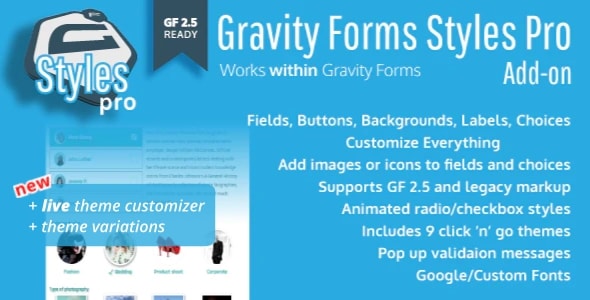
Several plugins on this list are add-ons for Gravity Forms, which is sold separately and carries its own annual license cost. Factor that in before comparing prices. Similarly, some survey and poll plugins require specific server configurations or rely on third-party APIs that may have their own pricing tiers.
Common buying mistakes
- Buying on price alone. A $25 form builder that lacks conditional logic or file uploads will frustrate you faster than a $65 plugin that handles your full workflow.
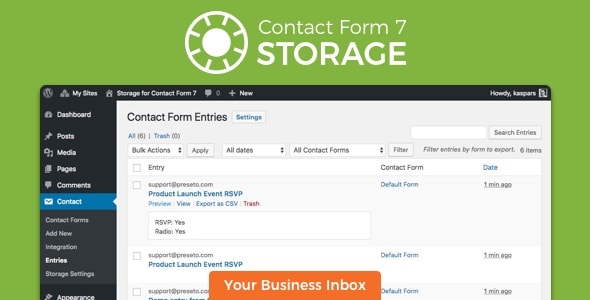
- Ignoring entry storage. Many form plugins send submissions by email only. If your host is unreliable or you need an audit trail, you need a plugin (or add-on) that stores entries in the database.
- Overlooking styling friction. Default form styles rarely match your theme out of the box. Check whether the plugin offers a visual style editor or at least clean, minimal markup before committing.
- Skipping the support tab. Author response time on open support tickets is often a better predictor of your experience than the overall star rating.
Our recommendation strategy
If you want one plugin that handles most standard use cases with minimal configuration, prioritize proven sales volume and a broad feature set. If you're already running Gravity Forms, lean into its ecosystem of add-ons rather than introducing a second form framework. And if your primary need is engagement — polls, quizzes, surveys — treat that as a separate category with its own best picks.