Theme topic
BestBuilderWordPressThemes:OurTopPicks
Builder-friendly WordPress themes let you design pages visually without touching code — but the quality gap between options is wide. Our editorial team has evaluated the top contenders by buyer ratings, sales track record, and real-world feature depth so you can choose with confidence.
5 themes tracked · ranked by sales
The catalog
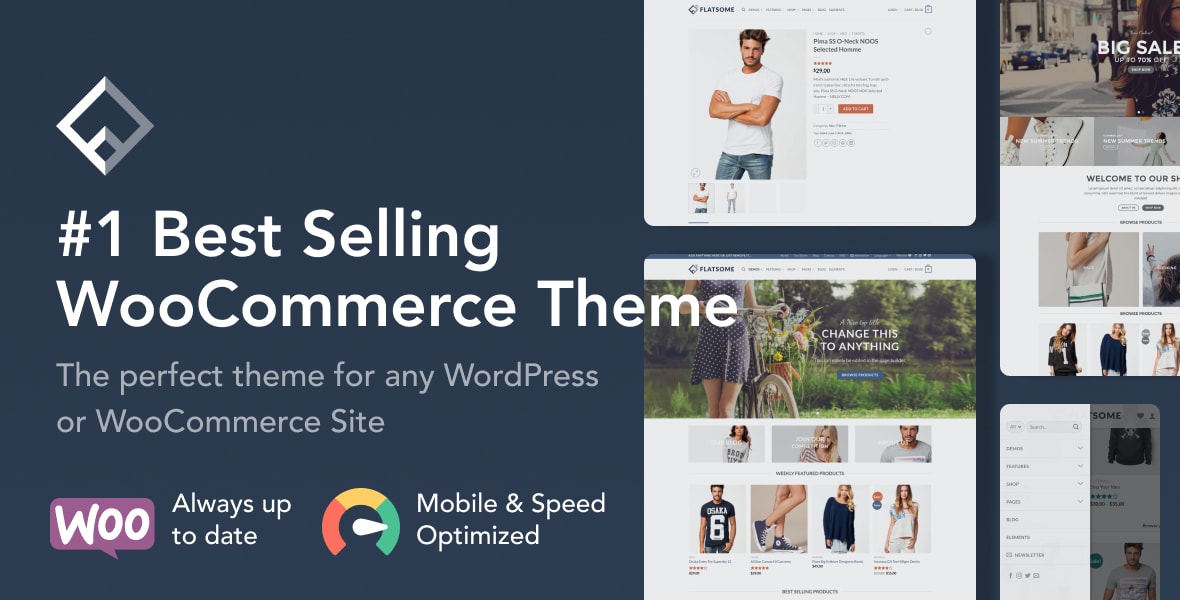
Flatsome | Multi-Purpose Responsive WooCommerce Theme
UX-themes · WooCommerce
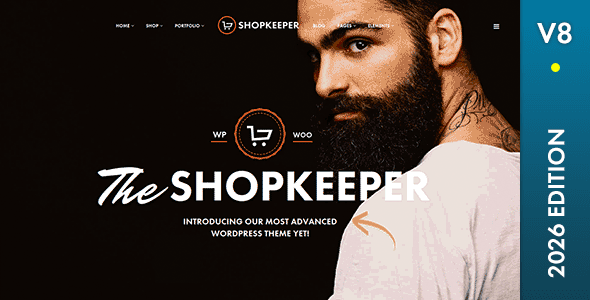
Shopkeeper • Multi-Purpose WooCommerce Theme
getbowtied · WooCommerce
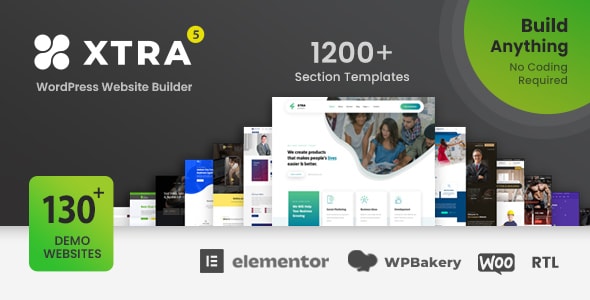
Xtra - Multipurpose WordPress & WooCommerce Theme + RTL
Codevz · Business
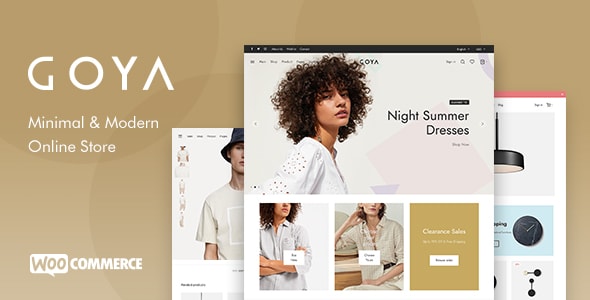
Goya - Modern WooCommerce Theme
everthemess · WooCommerce
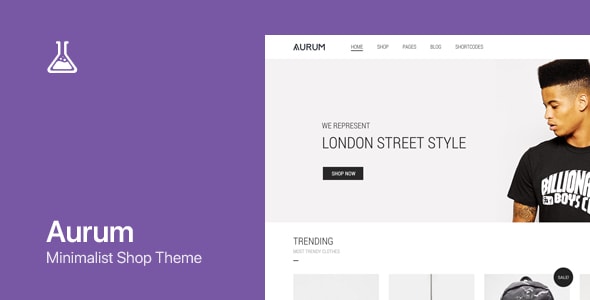
Aurum - WordPress & WooCommerce Shopping Theme
Laborator · WooCommerce
Buying guide
What Makes a Great Builder Theme?
A strong builder theme does more than bundle a drag-and-drop editor. The best ones ship with a purpose-built, native page builder — or are deeply optimized for best-in-class third-party builders — so layout controls, WooCommerce elements, and global style settings all work from one consistent interface. Beyond that, look for three things:
- Starter templates: A broad library of pre-built page and section templates cuts setup time dramatically. Themes with 50+ templates give you a real head start; those with fewer push design work back onto you.
- WooCommerce integration: If you're building a store, the builder needs to cover product pages, cart, checkout, and shop archive — not just marketing pages.
- Performance at scale: Visual builders can bloat page weight. Look for themes with documented asset-loading controls, lazy loading, and clean code output.
Our Reviewed Builder Themes at a Glance
Flatsome ($59, 4.83/5, 268,600 sales, editorial score 9.1/10) is the clear market leader in this category. Its UX Builder is native and tightly coupled with WooCommerce, giving store builders a level of design control that third-party page builders rarely match out of the box. The trade-off: Flatsome's ecosystem is so large that new users can face a steep learning curve navigating all its options.
Shopkeeper ($59, 4.61/5, 35,300 sales, editorial score 8.7/10) leans on Elementor and WPBakery compatibility and delivers polished demo designs aimed at lifestyle and fashion stores. It's a reliable, well-supported choice, though its builder integration feels less seamless than Flatsome's native approach.
Xtra ($39, 4.90/5, 11,000 sales, editorial score 8.7/10) punches above its price point with an exceptionally high buyer rating. It pairs well with Elementor and Gutenberg, and the lower price makes it attractive for budget-conscious builders. With fewer sales than Flatsome or Shopkeeper, its long-term community and third-party addon ecosystem is smaller.
Goya ($29, 4.63/5, 10,000 sales, editorial score 8.2/10) is the most affordable option here and focuses on a refined, minimal aesthetic suited to boutique stores. Builder flexibility is more limited than the multipurpose options above, so it suits buyers who need fewer layout variations rather than full creative freedom.
How to Choose Between Them
- Prioritize sales volume and rating together — a high rating on few sales is less reliable than a high rating on tens of thousands.
- Match the builder to your workflow — if your team already uses Elementor, a theme optimized for it saves retraining time.
- Check the demo closest to your niche — the fastest path to launch is a starter template you can adapt rather than build from scratch.
Frequently asked
Do I need a separate page builder plugin, or do these themes include one?
It depends on the theme. Flatsome ships with its own native UX Builder, so no separate plugin is required. Shopkeeper and Xtra are optimized for third-party builders like Elementor, which you install separately (a free version of Elementor is available). Always check which builder a theme supports before purchasing.
Which builder theme is best for a WooCommerce store?
Flatsome is our top editorial pick for WooCommerce stores, reflected in its 9.1/10 score and 268,600 sales. Its native builder covers product pages, shop archive, and checkout design in one interface. Shopkeeper and Xtra are strong alternatives with solid WooCommerce support at varying price points.
Is a more expensive builder theme always better?
Not necessarily. Xtra costs $39 and carries a 4.90/5 buyer rating — higher than some pricier alternatives. Price often reflects how long a theme has been on the market and the breadth of its included features, not build quality alone. Compare editorial scores and buyer ratings alongside price.
Will a builder theme slow down my site?
Visual builders can add page weight if not configured carefully. Themes like Flatsome and Xtra include asset-loading controls to help manage this, but performance always depends on how many elements you place on a page, your hosting environment, and whether you use a caching plugin. Builder themes are not inherently slower, but they require more performance attention than minimal themes.
Can I switch builder themes later without losing my content?
Switching themes can be disruptive, especially if the outgoing theme uses a proprietary page builder. Content built with a native builder (like Flatsome's UX Builder) may not transfer cleanly to a new theme. If you think you'll want to switch later, choosing a theme built around a portable builder like Elementor or Gutenberg reduces future migration risk.