How to Choose the Right WordPress Social Media Plugin
Social media plugins fall into a few distinct categories, and picking the wrong type is the most common mistake buyers make. Before you purchase, be clear on what you actually need: auto-posting and scheduling, social feed display, share and engagement buttons, follower/counter widgets, or direct messaging integration. Many plugins do one of these things well; very few do all of them credibly.
Auto-Posting & Scheduling
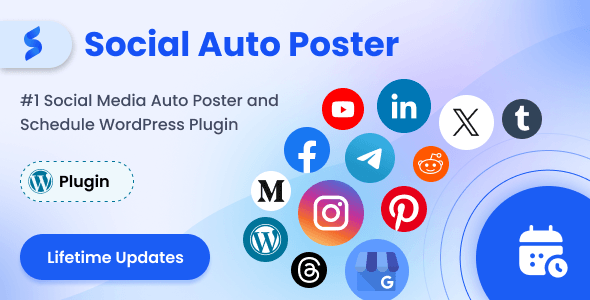
If your goal is to push WordPress content to social networks automatically, look for a plugin that supports the specific platforms you use — not just the headline names. Check whether platform API connections require recurring fees (some networks now charge for API access), and confirm the plugin has been updated recently to stay compatible with those APIs. An outdated auto-poster is effectively broken software, so sales volume alone is not enough; recency of updates matters just as much.
Social Feed Display
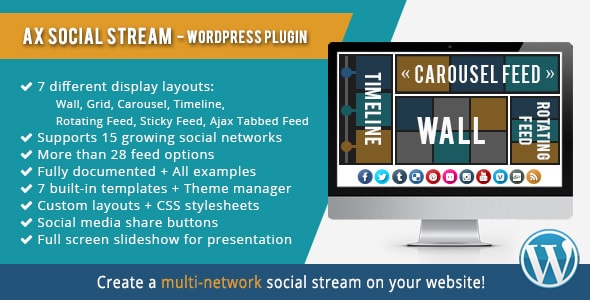
Embedding feeds from TikTok, Instagram, YouTube, or Facebook adds live social proof to your site, but it comes with trade-offs. Feeds that pull from third-party APIs can slow page load times if caching is not implemented well. Before buying, check whether the plugin offers a caching layer and whether the layout options suit your design without requiring custom CSS. Also verify that the networks you need are supported — plugin feature pages can be aspirational rather than fully delivered.
Share Buttons & Content Lockers
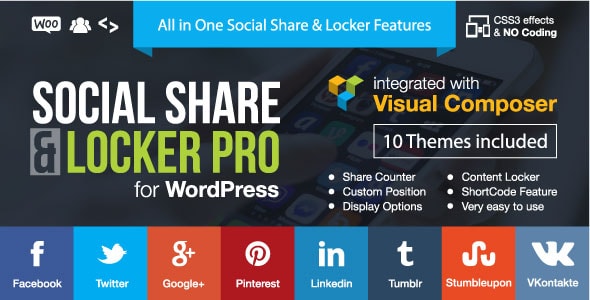
Share button plugins vary widely in how they load. Some inject share counts via external API calls on every page load, which hurts performance. Look for plugins that offer lazy loading or static share counts to avoid this. Content lockers — which hide content until a visitor shares — can feel manipulative to users and may conflict with some SEO practices; use them with care and only where the trade-off is clearly worthwhile.
Follower Counters & Vanity Widgets
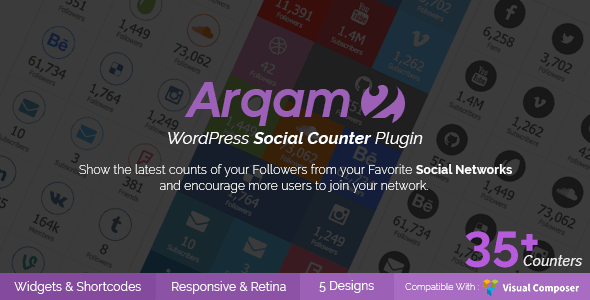
Social counter plugins display follower and subscriber numbers in sidebars or footers. They are low-risk purchases, but confirm that the platforms you care about are supported and that API credentials are straightforward to configure. These plugins tend to have longer update cycles, so check the last-updated date carefully.
Common Buying Mistakes to Avoid
- Overlapping functionality: Installing both an auto-poster and a social feed plugin from different vendors can create conflicts. Audit what you already have active before buying.
- Ignoring renewal costs: Some plugins bundle extended support or API service fees; read the pricing details before assuming the listed price is all-in.
- Skipping the reviews: A high star rating with fewer than 100 reviews is less reliable than a slightly lower rating backed by hundreds of verified buyers. Weight both together.
- Assuming platform coverage: Social network APIs change frequently. Verify that your specific platforms (especially newer ones like TikTok) are actively maintained in the plugin.
Used with these considerations in mind, any of the plugins below can be a sound investment — the right choice depends entirely on matching the tool to your specific workflow and audience.
![FS Poster - WordPress Social media Auto Poster & Scheduler [Facebook, Instagram, Twitter, Pinterest] screenshot](/_next/image?url=https%3A%2F%2Fapi.themeforge.online%2Fmedia%2Fthemes%2Ffs-poster-wordpress-social-media-auto-poster-scheduler-facebook-instagram-22192139.png&w=1200&q=90)