How to Choose a WordPress Membership Plugin
Membership plugins touch almost every part of your site — payments, user roles, content access, emails, and sometimes your entire community experience. Getting this decision wrong is costly to reverse, so it's worth thinking carefully before you commit.
Define your core use case first
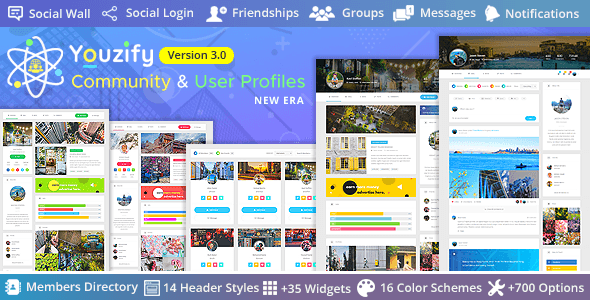
There's a meaningful difference between a plugin built primarily for content restriction and recurring billing, one designed for community and user profiles, and one that layers in affiliate or referral programs. Many plugins try to do all three, but most do one thing exceptionally well. Be honest about what your site actually needs on day one versus what you might want in year two — bloated feature sets add complexity and slow down your site.
Check payment gateway and WooCommerce compatibility
Recurring subscriptions live or die by payment reliability. Before purchasing, verify that your preferred gateway (Stripe, PayPal, Authorize.net, etc.) is supported natively — not just via a third-party workaround. If you're already running WooCommerce for physical or digital products, look for a plugin with a first-class WooCommerce integration rather than a parallel checkout flow that confuses buyers.
Content restriction granularity matters
Some plugins restrict at the page or post level only. Others let you drip content on a schedule, lock individual blocks or sections within a post, or hide pricing tables from logged-in members. Think through your content model before you test — a plugin that looks fully featured in the demo may not support the access rules your course or publication actually requires.
Ratings and sales volume tell part of the story
A plugin with 40,000+ sales and a 4.5-star rating has been stress-tested by a large, diverse user base. That breadth often means more edge cases have been caught and fixed. Conversely, a newer plugin with fewer reviews but a near-perfect score may reflect a smaller, highly engaged audience — not necessarily a better product at scale. We weigh both signals together, not in isolation.
Common mistakes to avoid
- Skipping the documentation review. Thin or outdated docs are a reliable signal that support will be slow when something breaks.
- Overlapping plugins. Running two membership or community plugins side by side creates role conflicts and bloat. Pick one and extend it.
- Ignoring update cadence. A plugin that hasn't been updated in 12+ months is a security and compatibility risk, especially as WordPress core evolves.
- Assuming migration is easy. Moving members, subscriptions, and access rules from one plugin to another is painful. Choose carefully the first time.
Budget realistically
Marketplace license prices are one-time fees for use on a set number of sites, but they typically include only 6 or 12 months of support. Factor in renewal costs if you want continued updates and support — for a business-critical plugin, that ongoing investment is almost always worth it.