How to Choose the Right WordPress Gallery Plugin
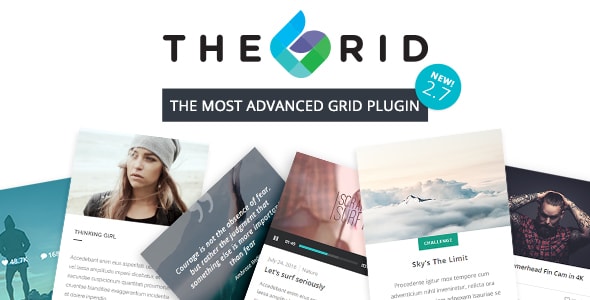
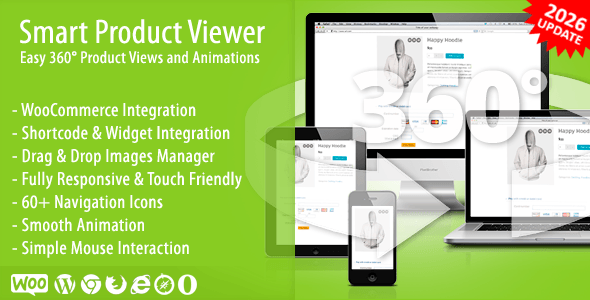
The gallery plugin market is broad, and "gallery" now covers far more than a simple lightbox grid. Before you buy, it's worth narrowing down exactly what your visitors need to experience — static image layouts, immersive 3D flipbooks, 360° product spins, or flexible content grids that mix media types. Picking the wrong category of plugin means rebuilding later.
Match the plugin to your actual use case
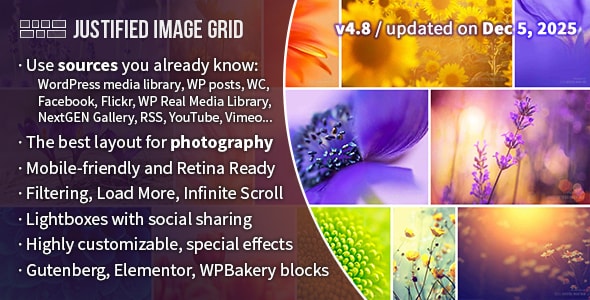
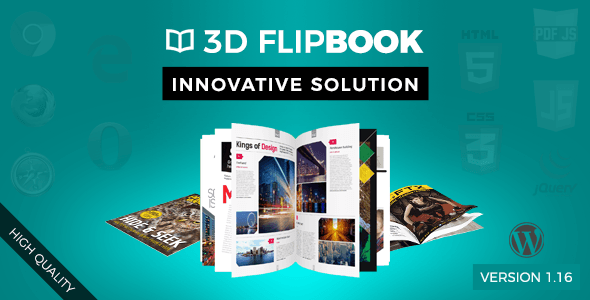
This is the most common mistake buyers make: purchasing a feature-rich plugin and then wrestling it into a use case it wasn't designed for. A justified photo grid plugin excels at portfolios and photography sites but is not a substitute for a proper product viewer. Likewise, a flipbook plugin is purpose-built for presenting PDFs and catalogs — using it to display a photo portfolio adds unnecessary overhead.
Check sales volume and rating depth together
A high average rating means little with only a handful of reviews. We weight both figures: a plugin with 1,800 ratings at 4.77 stars signals genuine, sustained satisfaction across a large audience. Conversely, a newer plugin with fewer reviews can still be a strong pick if its sales trajectory and feature set match your needs — just factor in that its support track record is less established.
Prioritize active maintenance
WordPress core, themes, and page builders update frequently. A gallery plugin that hasn't been touched in over a year is a compatibility risk. Always check the "last updated" date on the marketplace listing before purchasing, and look at whether the author responds to support threads — that signals ongoing commitment.
Performance implications matter
Heavy gallery plugins — especially those loading 3D assets, JavaScript animation engines, or large PDF rendering libraries — can meaningfully affect page load times. If site speed is a priority (and for SEO, it should be), test any plugin in a staging environment before going live. Look for options with lazy loading, script deferral, or CDN compatibility baked in.
Licensing and multi-site use
Most premium WordPress gallery plugins on the marketplace are sold under a regular license covering a single end product. If you're an agency or freelancer building sites for clients, check whether an extended license is available and what it costs. Some plugins price the extended license at many multiples of the regular price, which affects your project budget significantly.
Page builder compatibility
If your site runs Elementor, Divi, or another visual builder, verify that the plugin integrates natively rather than requiring shortcode workarounds. Native blocks or widgets save setup time and make future edits far less fragile. When marketplace listings advertise page builder support, cross-reference the support forum to confirm it works with your specific builder version.