How to Choose the Right WooCommerce Theme
With hundreds of WooCommerce themes on the market, it's easy to pick one that looks great in the demo but creates friction once you're actually building. Here's what our editorial team looks for — and what you should too.
Match the Theme to Your Store Type
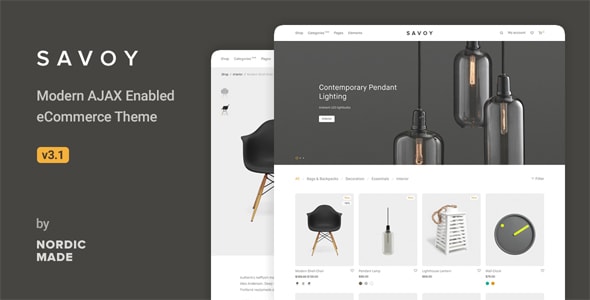
A fashion boutique has different layout needs than a multi-vendor marketplace or a media site with a shop attached. Before evaluating any theme, define your primary use case. A theme built specifically for product-heavy stores will handle catalog filtering, AJAX cart updates, and product page layouts far better than a general-purpose theme that bolts WooCommerce on as an afterthought. If your store is a secondary feature of a content site, a multi-purpose theme may be the smarter trade-off.
Page Builder Compatibility Matters More Than You Think
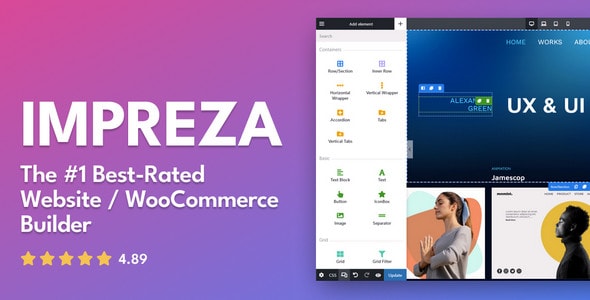
Many themes bundle their own drag-and-drop builder or integrate tightly with Elementor, WPBakery, or Gutenberg. Understand which builder a theme relies on before you buy. Switching builders mid-project is painful, and some themes lock you into a proprietary system that's hard to migrate away from. If long-term portability matters, favor themes with solid Gutenberg or Elementor support.
Performance Is a Feature
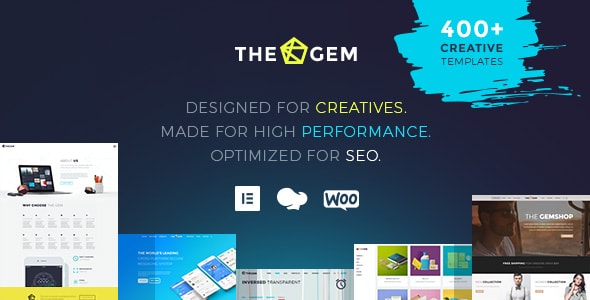
Theme bloat is a real problem. A theme packed with 40 demo templates and six bundled plugins will often load slower than a leaner alternative. Look for themes that load assets conditionally, support modern image formats, and are compatible with popular caching and optimization plugins. Raw sales numbers don't tell you about performance — check community forums and recent reviews for complaints about speed.
Don't Overlook Support and Update History
WooCommerce and WordPress update frequently. A theme that hasn't been updated in 12+ months is a compatibility risk. Prioritize themes with a consistent update history and a developer team that responds actively to support threads. High sales alone don't guarantee good support — review recency and response quality in the comments are better signals.
Common Mistakes to Avoid
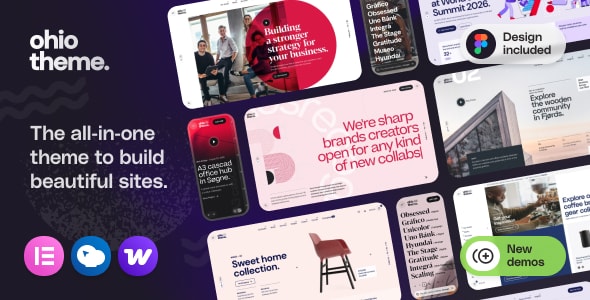
- Buying on demo aesthetics alone. Demos use professional photography and dummy data. Your content will look different.
- Ignoring plugin dependencies. Some themes require specific plugins to unlock advertised features. Factor in those costs and compatibility risks.
- Underestimating customization time. Even well-designed themes require meaningful setup. Budget time for importing demos, configuring headers, and adapting layouts.
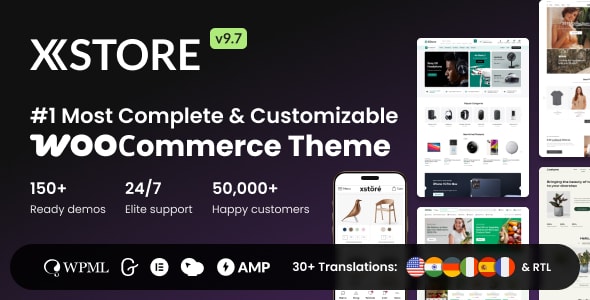
- Skipping RTL or multilingual checks. If you serve international customers, confirm the theme supports RTL languages and is compatible with WPML or Polylang before purchasing.
Price Isn't the Key Variable
The themes in this list range from $59 to $119 — a relatively narrow band. A $10 price difference is insignificant next to the hours you'll invest in setup and the revenue your store will process. Choose on fit, support quality, and update history rather than price alone.