How to Choose a Travel WordPress Theme
Travel sites span a wide range of business models — a single-property bed and breakfast has very different needs from a multi-vendor tour marketplace. Before you pick a theme, nail down what your site actually needs to do: take bookings, list third-party tours, publish editorial content, or all three. Buying a heavyweight booking theme when you only need a blog wastes money and adds complexity you'll maintain forever.
Booking Engine: Built-In vs. Plugin-Dependent
Some themes ship with a proprietary booking system; others rely on WooCommerce or a third-party plugin such as WP Booking Calendar. Built-in engines are tighter by design but can lock you into the theme's update cycle — if the author stops releasing security patches, your booking flow is at risk. Plugin-dependent themes give you more flexibility but require you to vet and maintain an additional codebase. Check the theme's changelog frequency before you commit.
Key Features to Evaluate
- Availability calendars — real-time blocking is table stakes for any property that takes direct reservations.
- Search and filter UI — guests should be able to filter by date, location, price, and amenity without leaving the page.
- Mobile experience — a large share of travel research and booking happens on phones; test the demo on a real device, not just a browser resize.
- Translation and multi-currency support — essential if any portion of your audience is international.
- Page builder compatibility — most premium themes bundle Elementor or WPBakery; make sure it's the builder you already know.
Common Mistakes Buyers Make
- Choosing on looks alone. Demo sites are styled by professionals with custom photography. The real question is how much of that look you can replicate with your own content and realistic setup time.
- Ignoring support quality. A 4.4-star theme with 20,000 sales tells you the support team handles volume — but read recent reviews, not just the aggregate score. Trends matter more than averages.
- Skipping the demo's booking flow. Always walk through the full reservation path in the live demo. Clunky checkout is the single biggest conversion killer on travel sites.
- Underestimating ongoing costs. Some themes charge for extended support renewals; factor that into your total cost of ownership alongside any booking plugin fees or payment gateway commissions.
Multipurpose Themes: Proceed With Care
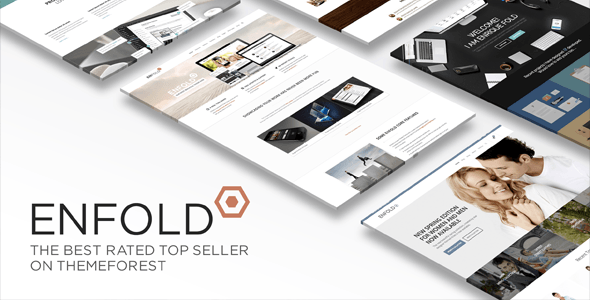
General-purpose themes like Enfold or Soledad can absolutely power a travel site, but they require more configuration to reach the same result a dedicated travel theme delivers out of the box. They're a smart pick if you need content publishing flexibility alongside light booking needs, or if you already own a license. For serious booking volume, a purpose-built theme will save you significant setup time.