What to Look for in an SEO-Friendly WordPress Theme
A theme can't write your content or build your backlinks, but it absolutely can help or hurt your rankings. The wrong choice — bloated scripts, poorly structured markup, render-blocking assets — will undercut even the best SEO strategy. Here's what our editorial team looks for when evaluating themes for search performance.
Clean, Semantic HTML Output
Search engines read your page's HTML before anything else. A well-coded theme uses proper heading hierarchy (H1 through H6), meaningful landmark elements, and schema-ready markup. Ask yourself: does this theme's demo source code look like a developer wrote it, or like a page builder exploded inside it? Excessive div nesting and inline styles are red flags.
Speed and Core Web Vitals
Google's Core Web Vitals — Largest Contentful Paint, Cumulative Layout Shift, and Interaction to Next Paint — are direct ranking factors. A heavy theme with a dozen bundled plugins loading on every page is a liability. Prioritize themes that offer:
- Lightweight default page weight (lean CSS and JavaScript bundles)
- Support for lazy-loading images natively
- Compatibility with popular caching and optimization plugins
- No forced loading of assets on pages that don't need them
Compatibility With SEO Plugins
No theme should try to replace Yoast SEO, Rank Math, or All in One SEO. The best themes stay in their lane and integrate cleanly — meaning no duplicate meta fields, no conflicting Open Graph output, and no hardcoded title tags that override your SEO plugin's settings. This is a surprisingly common mistake buyers discover only after purchase.
Mobile Responsiveness and Accessibility
Google indexes the mobile version of your site first. A theme that looks great on desktop but renders poorly on smaller screens is an SEO problem, not just a UX problem. Accessibility (ARIA labels, keyboard navigation, sufficient color contrast) overlaps significantly with technical SEO signals — both matter for 2026 and beyond.
Common Buying Mistakes to Avoid
- Choosing a theme because the demo is beautiful, not because the code is clean. Always check the demo's page source or run it through a speed tool before buying.
- Assuming "SEO-ready" in a theme's title means it's faster or better structured. That label is marketing copy; judge by the metadata and buyer reviews instead.
- Overloading a multipurpose theme with every bundled plugin activated. Use only what your site needs. More active plugins means more HTTP requests and slower pages.
- Ignoring update cadence. A theme that hasn't been updated in 18 months is a compatibility and security risk, regardless of its sales numbers.
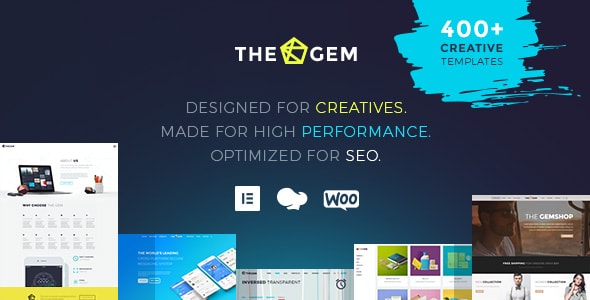
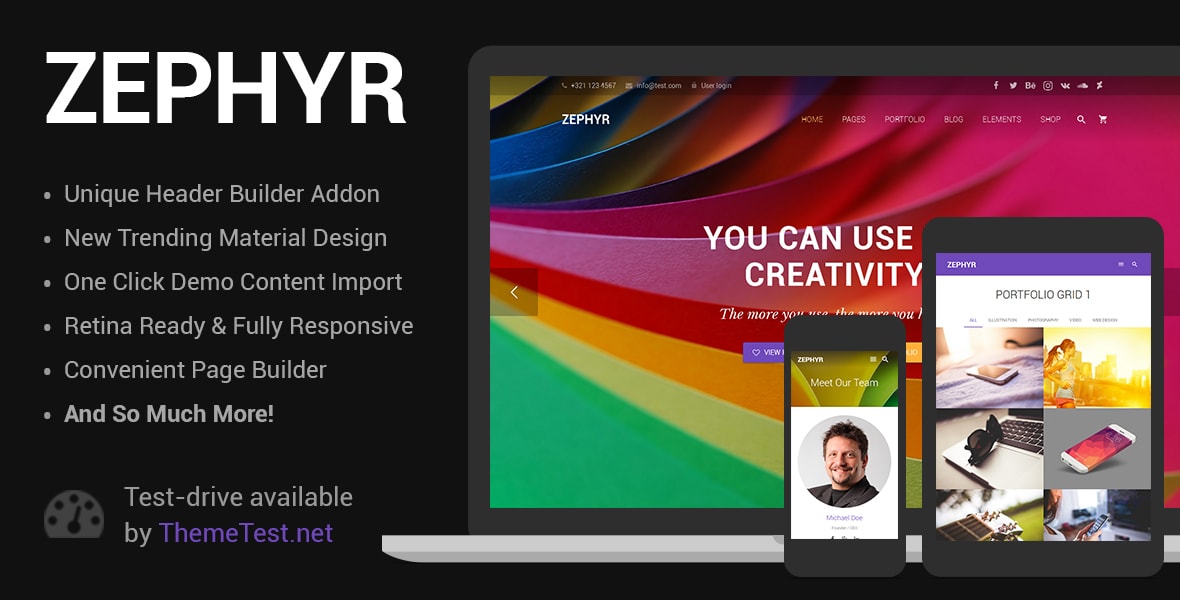
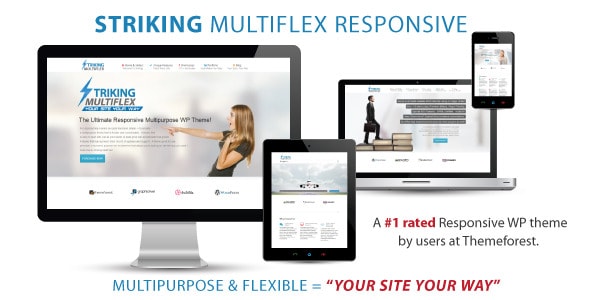
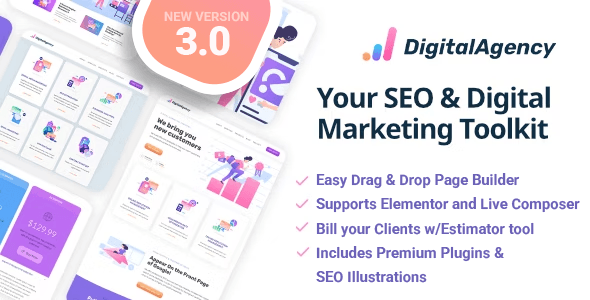
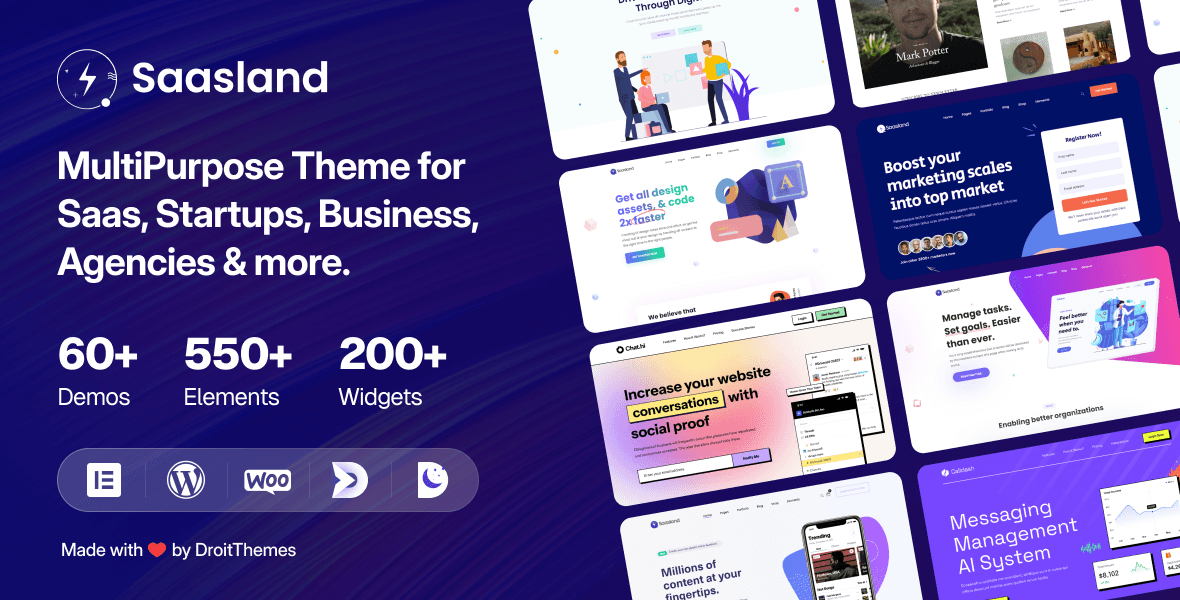
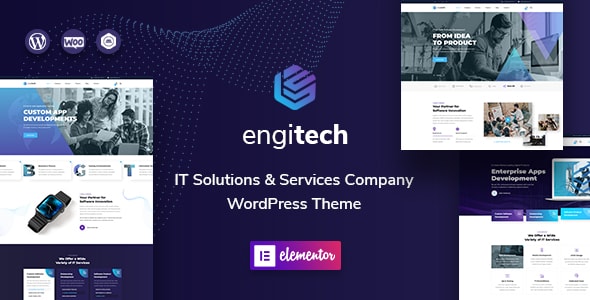
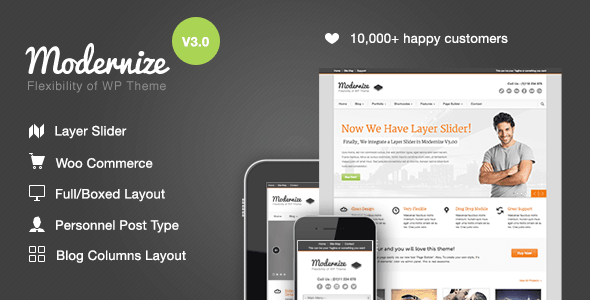
Use the blurbs below to match each theme to your specific site type and workflow — the "best" choice depends as much on your content strategy and technical comfort level as on any feature list.