How to Choose a Drupal 11 Theme
Drupal's major-version releases introduce breaking changes that quickly strand older themes. Before anything else, confirm that the theme explicitly states Drupal 11 compatibility — ideally version 11.3 for the most forward-looking projects. All themes in this roundup meet that bar, but it remains the single most important filter to apply when shopping outside this list.
What the Market Data Tells You
Sales volume and review scores together paint a useful picture. A theme with hundreds of sales and a rating above 4.8 suggests a stable codebase that real users have put through its paces. A perfect 5.00 score on a low review count (under 20) deserves a bit more caution — it may simply mean fewer edge cases have surfaced yet. Conversely, a slightly lower rating across 60+ reviews is often a sign of honest, diverse usage rather than poor quality.
Niche Fit vs. Multipurpose Flexibility
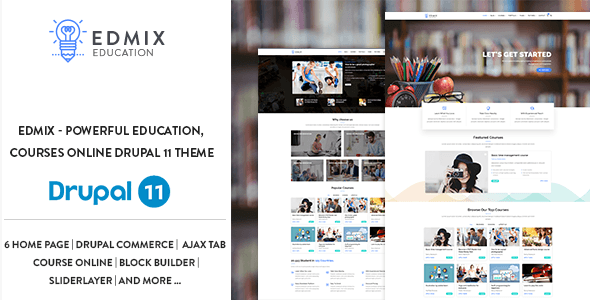
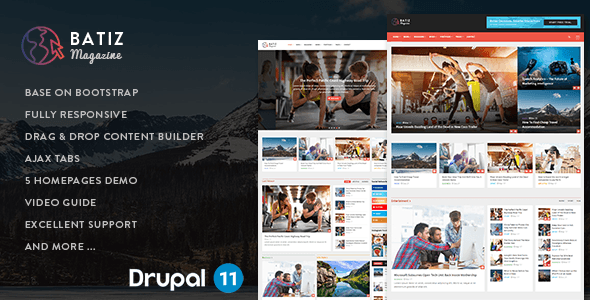
Multipurpose themes offer layout variety and reduce the need for additional modules, but they carry a real trade-off: larger codebases mean more to learn, and demo content imports can be time-consuming to clean up. Niche themes — built for education, directories, magazines, or industrial businesses — typically ship with purpose-built content types and pre-configured views that save meaningful build time when the fit is right. Match the theme's demonstrated niche to your actual content model before committing.
Author Support and Update Cadence
Drupal's ecosystem rewards buyers who pay attention to the author behind the theme, not just the product itself. Several themes in this list come from the same author, gavias, whose portfolio across multiple products signals a sustained commitment to the Drupal marketplace. When one author maintains many highly rated themes, it usually indicates shared infrastructure — shared page builder tools, shared module dependencies — so skills learned on one product transfer to another.
Common Buying Mistakes to Avoid
- Ignoring module dependencies. Many premium Drupal themes rely on specific contributed modules. Check that those modules also have Drupal 11-compatible releases before purchase.
- Buying on screenshots alone. Demo sites show ideal content with professional imagery. Budget time to replace placeholder content and reconfigure layouts for your own structure.
- Overlooking the price tier. The $8–$10 price spread across this list is small relative to development time, but a higher price sometimes reflects more bundled features (additional layouts, dedicated module licenses). Read the item description carefully.
- Skipping the reviews. Buyer reviews on Drupal themes frequently mention specific version compatibility issues, support responsiveness, and installation gotchas that are more useful than the marketing copy.
Budget Considerations
Prices in this roundup range from $48 to $58. That spread is narrow enough that it should not be your primary decision factor. If a purpose-built niche theme at $58 saves two hours of custom module configuration, it pays for itself immediately. Focus on fit, maintenance history, and author responsiveness first.