How to Choose a Directory WordPress Theme
Directory sites live or die on one thing: how well the theme handles listings at scale. Before you commit to a purchase, think carefully about the type of directory you're building — a general business finder, a classified ads board, a job marketplace, and a real estate portal all have meaningfully different feature requirements.
Match the theme to your niche
General-purpose directory themes give you flexibility but often require more configuration to feel purpose-built. Niche themes — designed specifically for automotive, real estate, or job listings — come with search filters, submission forms, and layout conventions already tuned for that audience. Repurposing a niche theme outside its intended use case almost always creates more problems than it solves.
Prioritize search and filtering
The most common mistake buyers make is choosing a theme based on the homepage design rather than the search and filter experience. Your visitors will spend most of their time filtering listings — by location, category, price range, or custom attributes. Evaluate the theme's filter UI carefully. Look for:
- Ajax-powered search (no full page reloads)
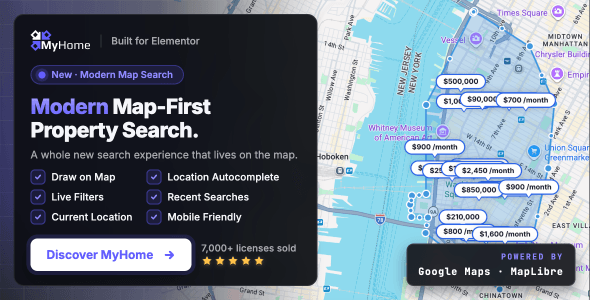
- Radius or map-based location filtering
- Custom fields per listing category
- Mobile-friendly filter panels
Monetization and submission flows
If you plan to charge for listings, make sure the theme supports paid listing packages natively or integrates cleanly with WooCommerce. Some themes bundle payment systems; others rely on third-party plugins. Understand what's included and what requires a separate purchase before you build. Also check whether guest submission (no account required) is supported if you want to lower the barrier for listers.
Performance and plugin dependencies
Directory themes are among the heaviest WordPress themes on the market because they bundle so much functionality. Ask yourself whether the theme relies on a page builder (Elementor, WPBakery) and whether you're comfortable with that dependency long-term. Themes that lean heavily on bundled plugins can become difficult to maintain when those plugins lag behind WordPress core updates.
Support and update cadence
A directory site is a long-term investment. Favor themes from authors with a consistent update history and responsive support forums. High sales numbers are a useful proxy — authors with tens of thousands of customers have a strong commercial incentive to maintain compatibility. That said, sales alone don't tell the full story; read recent reviews for patterns around support quality and bug turnaround.
Budget realistically
The theme license is rarely your only cost. Factor in premium plugins for forms, maps, payment gateways, and email — these add up quickly. A cheaper theme with more bundled features may ultimately cost less than a premium theme that requires several paid add-ons to reach the same functionality.