How to Choose a Clean WordPress Theme
A "clean" theme is more than a white background and a sans-serif font. It means the code is lean, the default layouts breathe, and the customization layer doesn't force you to fight the design to achieve simplicity. Here's what to evaluate before you buy.
Start with page-builder compatibility
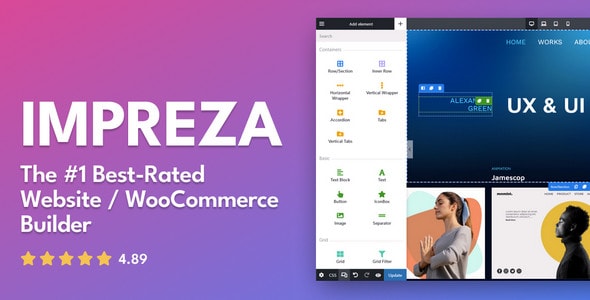
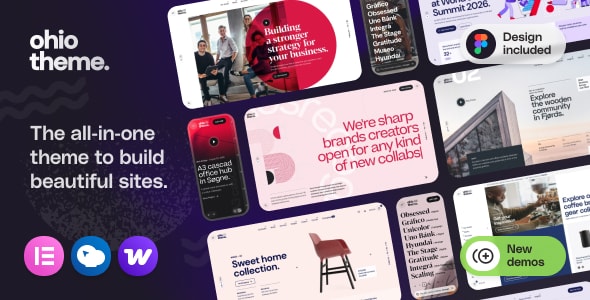
Most premium themes today bundle a proprietary builder or integrate tightly with Elementor, WPBakery, or the block editor. Before purchasing, confirm the builder matches your workflow. Switching builders after launch is costly, and some themes lock you into their own ecosystem — which can be a strength if you want everything in one place, or a limitation if you prefer portability.
Ratings and sales volume tell different stories
A theme with 1 million sales and a 4.78 rating has been stress-tested at scale; a newer theme with 60,000 sales and a 4.87 rating may reflect a tighter, more focused product with more attentive support. Neither signal is better on its own — weigh them together against your use case.
Watch for "multipurpose" bloat
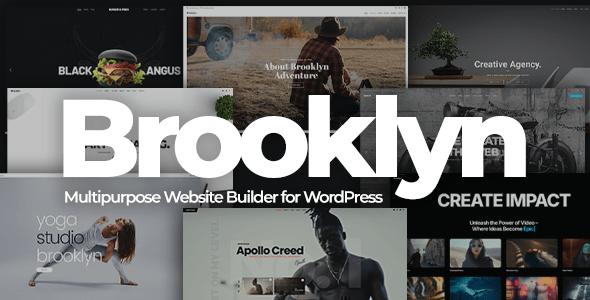
Many themes in this roundup are technically multipurpose, meaning they ship with dozens of demo templates. That breadth is useful when you need options, but it can also mean a heavier plugin footprint, more settings to navigate, and a steeper learning curve before the site looks clean rather than cluttered. If you have a single, well-defined project, import only one demo and disable features you don't need.
Check the update history, not just the last-updated date
A theme updated last month after a six-month gap is a different proposition from one updated consistently every four to six weeks. Regular updates signal active maintenance, WordPress core compatibility, and security attention — all critical for a long-lived site.
Common mistakes buyers make
- Choosing on aesthetics alone. The demo looks clean because it uses professional photography and custom fonts. Your content will look different — test the theme with your actual copy and images before committing.
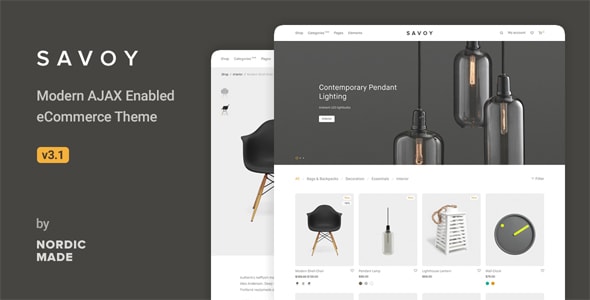
- Ignoring WooCommerce requirements. If you plan to sell, verify that WooCommerce support is native, not an afterthought add-on.
- Overlooking support terms. Premium themes typically include six months of support, with an option to extend. Factor that cost in if you anticipate needing ongoing help.
- Underestimating performance tuning. Even the cleanest-looking theme can produce heavy page loads if you activate every bundled plugin. Audit and deactivate anything unused from day one.
Our bottom line
Every theme in this roundup earns its place on market data and design merit. The right choice depends on your project's scope, your comfort with the bundled page builder, and how much you value a refined out-of-the-box aesthetic versus maximum customization headroom.